

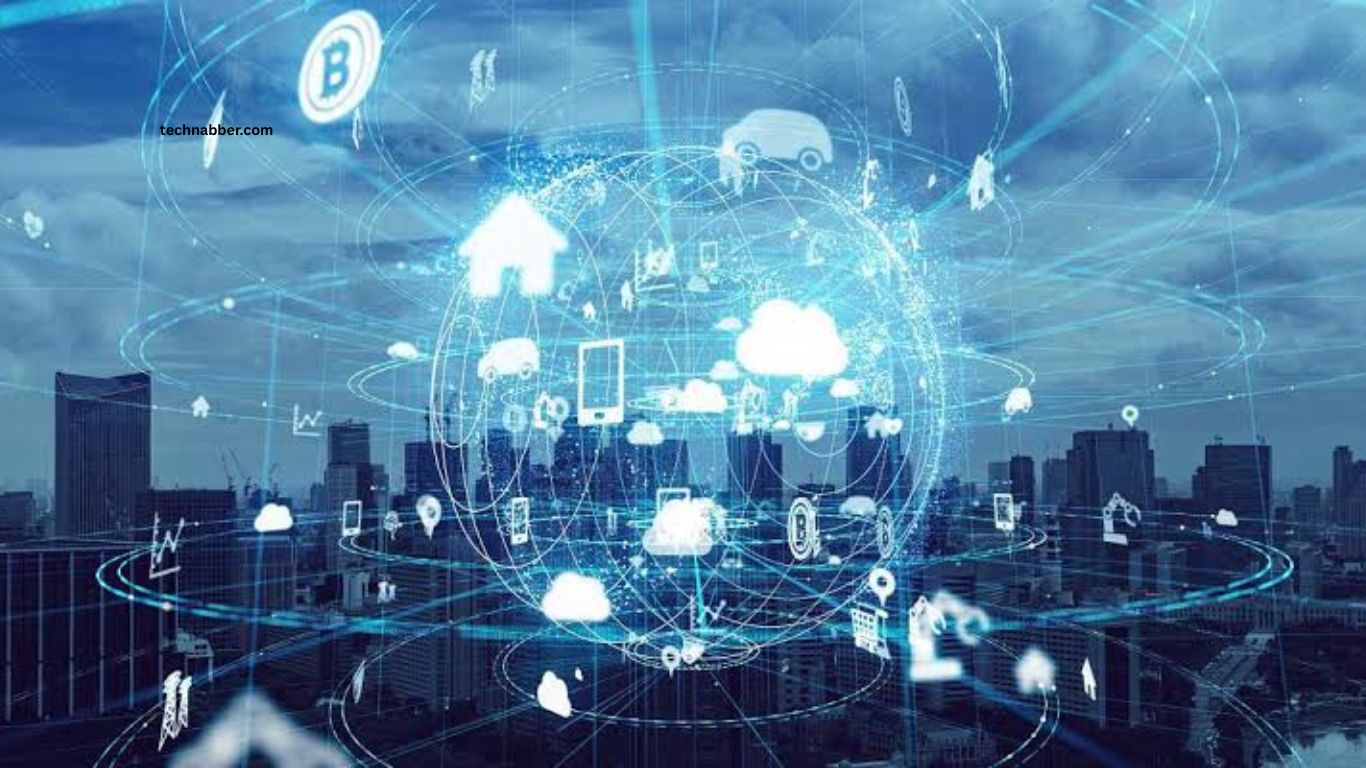
Technology continues transforming daily life at an incredible pace. Intelligent devices and connected systems now play a central role in homes, workplaces, industries, healthcare, transportation, and education. These smart solutions collect data, communicate with other devices, and perform tasks with minimal human involvement. As artificial intelligence, cloud computing, and the Internet of Things evolve, connected ecosystems become more powerful, efficient, and reliable.
Businesses and consumers increasingly rely on intelligent devices to improve productivity, reduce costs, enhance convenience, and make better decisions. From smart homes to automated factories, connected systems deliver seamless communication between machines, creating opportunities for innovation across every industry. Understanding this technological shift helps individuals and organizations prepare for a smarter digital future.
Read More: Digital Transformation Trends Every Business Should Watch
Understanding Intelligent Devices
Intelligent devices combine advanced hardware with software capable of processing information, learning from data, and responding to changing conditions. Unlike traditional electronic products, these devices continuously gather information through sensors and improve performance using artificial intelligence and machine learning.
Smartphones, wearable fitness trackers, smart speakers, connected security cameras, autonomous vehicles, and industrial robots represent common examples. Their ability to exchange information creates a network where every device contributes to better efficiency and smarter decision-making.
Connected Systems Create Smarter Environments
Connected systems link multiple intelligent devices through wireless networks, cloud platforms, and high-speed internet connections. Rather than operating independently, every connected device shares information with other systems, creating a synchronized digital environment.
Smart homes automatically adjust lighting, temperature, security, and entertainment preferences based on user behavior. Smart offices improve energy management, collaboration, and workplace security. Smart cities optimize traffic flow, waste collection, public transportation, and emergency response using real-time information from thousands of connected sensors.
Artificial Intelligence Powers Modern Devices
Artificial intelligence serves as the foundation of intelligent technology. AI enables devices to recognize speech, analyze images, predict user preferences, identify unusual behavior, and automate repetitive processes.
Machine learning allows connected systems to improve over time without constant programming updates. Virtual assistants understand natural language, recommendation engines personalize digital experiences, and predictive maintenance systems detect equipment problems before failures occur. These capabilities improve accuracy, reliability, and operational efficiency across multiple industries.
Internet of Things Expands Digital Connectivity
The Internet of Things connects billions of devices worldwide through secure communication networks. Every connected object generates valuable information that organizations use to improve services, reduce operational costs, and increase customer satisfaction.
Manufacturing companies monitor production equipment remotely, healthcare providers track patient health using wearable devices, retailers manage inventory automatically, and farmers optimize crop production through connected agricultural sensors. IoT technology creates a continuous flow of information supporting faster and more informed decisions.
Healthcare Benefits From Intelligent Systems
Healthcare organizations increasingly adopt connected technologies to improve patient care and medical efficiency. Smart medical devices monitor heart rate, blood pressure, glucose levels, oxygen saturation, and physical activity while sending real-time information to healthcare professionals.
Hospitals use intelligent monitoring systems to manage medical equipment, reduce response times, and improve patient safety. Artificial intelligence also assists doctors by analyzing medical images, supporting diagnosis, and recommending treatment options based on large healthcare datasets.
Smart Manufacturing Improves Productivity
Modern manufacturing facilities rely on intelligent machines and connected systems to achieve greater efficiency. Industrial sensors continuously monitor equipment performance, production quality, and operational conditions.
Predictive maintenance reduces unexpected downtime by identifying mechanical problems before equipment fails. Automated robots perform repetitive tasks with exceptional precision while connected software platforms monitor production from a central control system. These innovations reduce waste, improve product quality, and increase overall productivity.
Cybersecurity Remains Essential
As connected devices increase, cybersecurity becomes more important than ever. Every connected system represents a potential entry point for cyber threats if security measures remain weak.
Organizations protect intelligent devices using encryption, multi-factor authentication, software updates, network monitoring, and secure communication protocols. Strong cybersecurity strategies help safeguard sensitive information while maintaining trust in connected technologies.
Business Transformation Through Smart Technology
Businesses across every industry embrace intelligent devices to improve operational performance and customer experiences. Connected systems automate routine tasks, optimize supply chains, reduce operational expenses, and provide valuable business insights through advanced data analytics.
Customer service benefits from intelligent chatbots, automated support systems, and personalized recommendations. Decision-makers gain access to real-time business intelligence, allowing faster responses to changing market conditions.
Challenges Facing Connected Systems
Despite remarkable advantages, intelligent devices present several challenges. Data privacy concerns, cybersecurity risks, compatibility issues, network reliability, and implementation costs require careful planning before deployment.
Organizations also face challenges involving employee training, technology integration, regulatory compliance, and responsible artificial intelligence practices. Addressing these issues ensures sustainable growth and long-term success.
Future Outlook
The future promises even greater innovation as artificial intelligence, 5G networks, edge computing, and advanced automation continue evolving. Connected systems will become faster, smarter, and more efficient while supporting industries such as transportation, agriculture, education, finance, healthcare, and environmental management.
Future intelligent devices will process larger amounts of information with greater accuracy while consuming less energy. Continuous technological advancement will create more personalized digital experiences and support global economic development.
Frequently Asked Questions
What are intelligent devices?
Intelligent devices use AI, sensors, and software to perform tasks and make smart decisions.
What is a connected system?
A connected system links multiple devices to share data and work together efficiently.
How does AI improve smart devices?
AI helps devices learn, automate tasks, analyze data, and deliver personalized experiences.
Why are connected systems important for businesses?
They increase productivity, reduce costs, improve efficiency, and support better decision-making.
What are the biggest security concerns?
Cyberattacks, data privacy risks, and unauthorized access remain major cybersecurity challenges.
What is the future of intelligent devices?
Future devices will become faster, smarter, more connected, and increasingly powered by AI and 5G networks.
Conclusion
The rise of intelligent devices and connected systems marks a major milestone in digital transformation. Artificial intelligence, cloud computing, and the Internet of Things continue creating smarter environments that improve efficiency, productivity, safety, and convenience. Although cybersecurity, privacy, and implementation challenges remain important, ongoing innovation continues expanding opportunities across every industry.
