

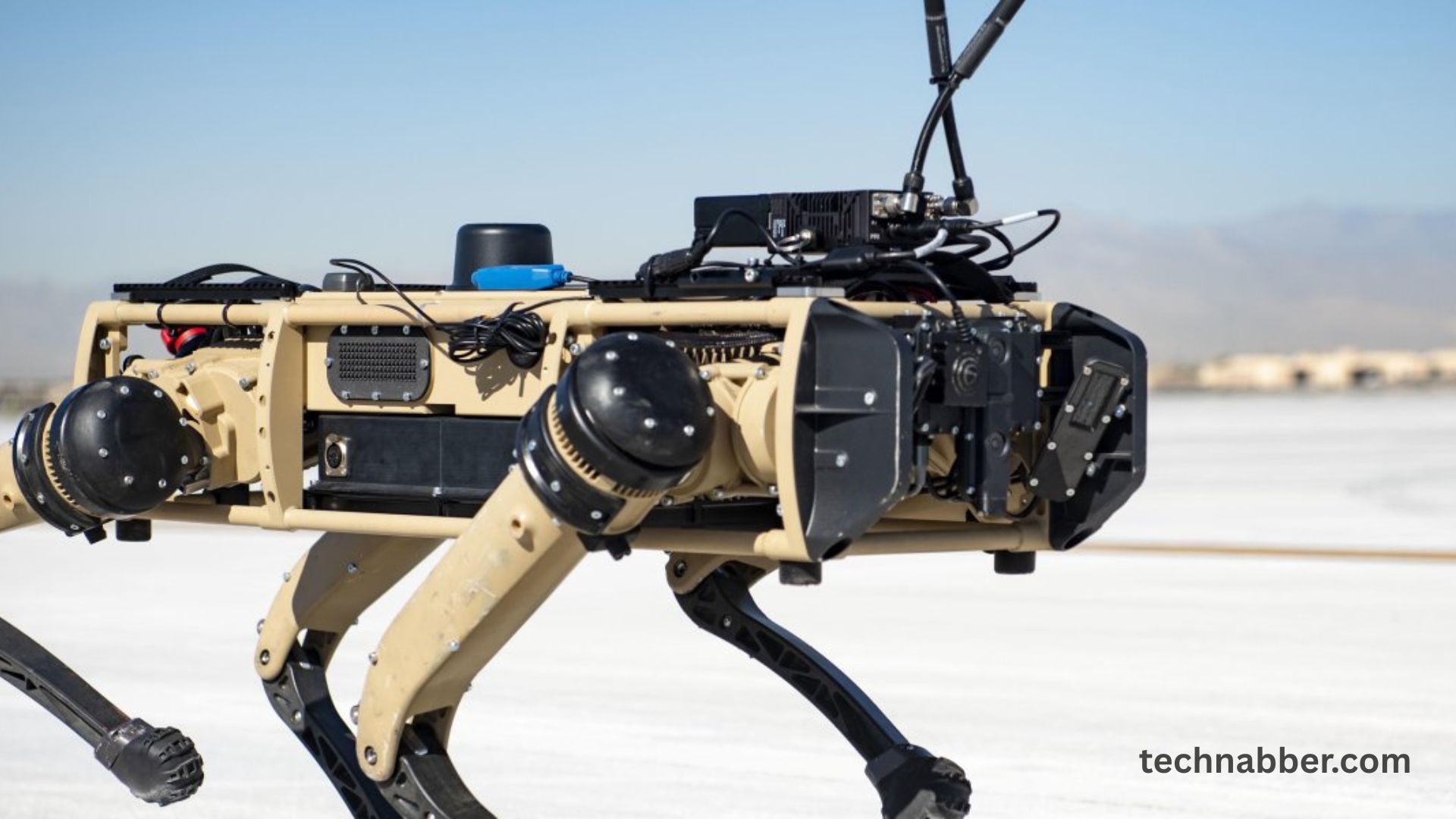
Project Maven, also known as the Algorithmic Warfare Cross-Functional Team, represents a significant leap in the integration of artificial intelligence (AI) into military operations. Launched by the U.S. Department of Defense, the project aims to use AI technologies to analyze vast amounts of video and sensor data collected from drones and other surveillance tools. By applying machine learning algorithms, Project Maven enhances the military’s ability to identify potential threats, track targets, and make informed decisions quickly. This initiative has sparked global discussion on the ethical, technological, and strategic implications of AI in warfare.
Critics and supporters alike acknowledge that AI’s role in military operations is both revolutionary and controversial. While the project promises to improve efficiency and save lives by reducing human error, it raises concerns about transparency, accountability, and the potential misuse of autonomous technologies. Understanding Project Maven is critical for policymakers, technologists, and the public, as it highlights the growing intersection of AI, ethics, and global security.
The Origins of Project Maven
Project Maven was initiated in 2017 by the U.S. Department of Defense to address the growing challenge of analyzing massive amounts of intelligence, surveillance, and reconnaissance (ISR) data. The project leverages AI and machine learning to assist analysts in processing video footage captured by drones, speeding up target identification and threat assessment.
The rapid increase in data from modern surveillance technology made manual analysis inefficient and time-consuming. Project Maven sought to automate this process, allowing analysts to focus on higher-level decision-making. The initiative reflects a broader trend of integrating AI into military operations worldwide, where speed, precision, and predictive capabilities are increasingly critical.
How AI is Used in Project Maven
AI in Project Maven primarily focuses on computer vision and pattern recognition. Algorithms are trained to detect vehicles, personnel, and other objects of interest from aerial footage. By learning from annotated datasets, AI systems can quickly analyze new footage, highlighting potential threats for human review.
Machine learning models improve over time, increasing detection accuracy and reducing false positives. The combination of AI and human analysts creates a hybrid system that leverages the strengths of both. While AI handles large-scale data processing, human oversight ensures ethical and tactical decisions remain under control.
Ethical and Legal Implications
Project Maven has sparked widespread debate over the ethical use of AI in military operations. Critics argue that automating target recognition and decision-making could lead to unintended consequences, including civilian casualties or misuse in conflict zones. The potential for autonomous systems to make life-and-death decisions has raised questions about accountability and transparency.
In response, the Department of Defense emphasized that Project Maven is designed to augment, not replace, human decision-making. AI outputs are reviewed by trained analysts before any military action is taken. Despite these assurances, ethical concerns persist, highlighting the need for robust regulations, oversight, and international standards for AI in warfare.
Collaboration with Tech Companies
Project Maven has relied on partnerships with leading technology companies to develop and deploy AI algorithms. Google initially played a prominent role, providing expertise in machine learning and computer vision. However, ethical concerns among employees led Google to withdraw from the project, prompting discussions about corporate responsibility in military AI applications.
The withdrawal of tech giants did not halt Project Maven. The Department of Defense continues to collaborate with other private firms and research institutions, emphasizing the critical role of AI expertise in achieving project objectives. These partnerships underscore the delicate balance between technological innovation and ethical responsibility.
Strategic Importance of Project Maven
Project Maven is part of a broader U.S. strategy to maintain technological superiority in military operations. By integrating AI into intelligence analysis, the military can respond faster to emerging threats and optimize resource allocation. This strategic advantage is particularly relevant in regions with rapidly evolving geopolitical tensions, where timely information can be decisive.
The project also signals the importance of AI in modern warfare. Nations worldwide are investing in AI-driven military capabilities, from autonomous drones to predictive analytics. Project Maven serves as a model for how AI can enhance operational efficiency while highlighting the challenges of ethical and legal oversight.
Technical Challenges
Despite its successes, Project Maven faces significant technical challenges. Training AI models requires vast, high-quality datasets, often annotated by human analysts. Ensuring model accuracy, preventing bias, and maintaining reliability in diverse environments remain ongoing concerns.
Integration with existing military systems is another challenge. AI outputs must be compatible with command and control structures and secure networks. Maintaining cybersecurity and protecting sensitive data are critical to the project’s success. Continuous research and development aim to address these technical hurdles while improving AI performance and reliability.
Impact on Military Personnel
Project Maven changes the role of military analysts by automating routine tasks and enabling them to focus on strategic decision-making. While this improves efficiency, it also raises concerns about job displacement and the need for new skill sets.
Training programs now emphasize AI literacy, data analysis, and ethical decision-making. By combining human expertise with AI capabilities, the military seeks to create a workforce capable of leveraging technology responsibly and effectively in high-stakes scenarios.
Global Perspectives
Other nations are closely observing Project Maven as a benchmark for AI integration in military operations. Countries such as China, Russia, and members of the European Union are developing similar initiatives, reflecting a global AI arms race.
International discussions focus on setting norms, standards, and regulations to prevent misuse and ensure accountability. Project Maven serves as a case study for how AI can be integrated responsibly, highlighting both opportunities and challenges in a rapidly evolving security landscape.
Read More: Nvidia AI Chips Depend on Memory: Why Micron Sell-Off Is Excessive
Future Prospects
The future of Project Maven and military AI is likely to involve greater automation, improved decision-support systems, and more sophisticated predictive analytics. AI could assist in mission planning, logistics, and real-time battlefield analysis.
However, the expansion of AI in warfare will continue to raise ethical, legal, and operational questions. Ensuring transparency, accountability, and alignment with international laws will be critical to maintaining trust and preventing unintended consequences.
FAQs (Frequently Asked Questions)
What is Project Maven?
Project Maven is a U.S. Department of Defense initiative using AI to analyze drone and surveillance data.
How does AI work in Project Maven?
AI uses machine learning and computer vision to identify objects, vehicles, and potential threats from video footage.
Is human oversight involved?
Yes, AI outputs are reviewed by analysts before any military action, ensuring accountability and ethical decision-making.
Why is Project Maven controversial?
It raises ethical concerns about AI in warfare, autonomous decision-making, and potential misuse in conflict zones.
Which tech companies were involved?
Google initially contributed AI expertise but withdrew over ethical concerns; other firms continue to support the project.
What is the strategic importance of Project Maven?
It improves operational efficiency, accelerates threat analysis, and helps maintain technological military superiority.
How does it impact military personnel?
AI automates routine tasks, allowing analysts to focus on higher-level decisions and requiring new AI-related skills.
What are the future prospects of Project Maven?
The project will expand AI’s role in intelligence, planning, and battlefield analysis while raising ongoing ethical questions.
Conclusion:
Project Maven showcases the transformative potential of AI in military operations, combining machine learning with human oversight to enhance intelligence analysis, efficiency, and strategic decisions. While it improves operational capabilities, ethical and legal concerns remain critical, emphasizing accountability and responsible AI use. The initiative highlights the need for clear guidelines, international dialogue, and oversight to ensure AI enhances security without compromising human values. Project Maven serves as both a model and cautionary example for global defense and technology sectors.
