

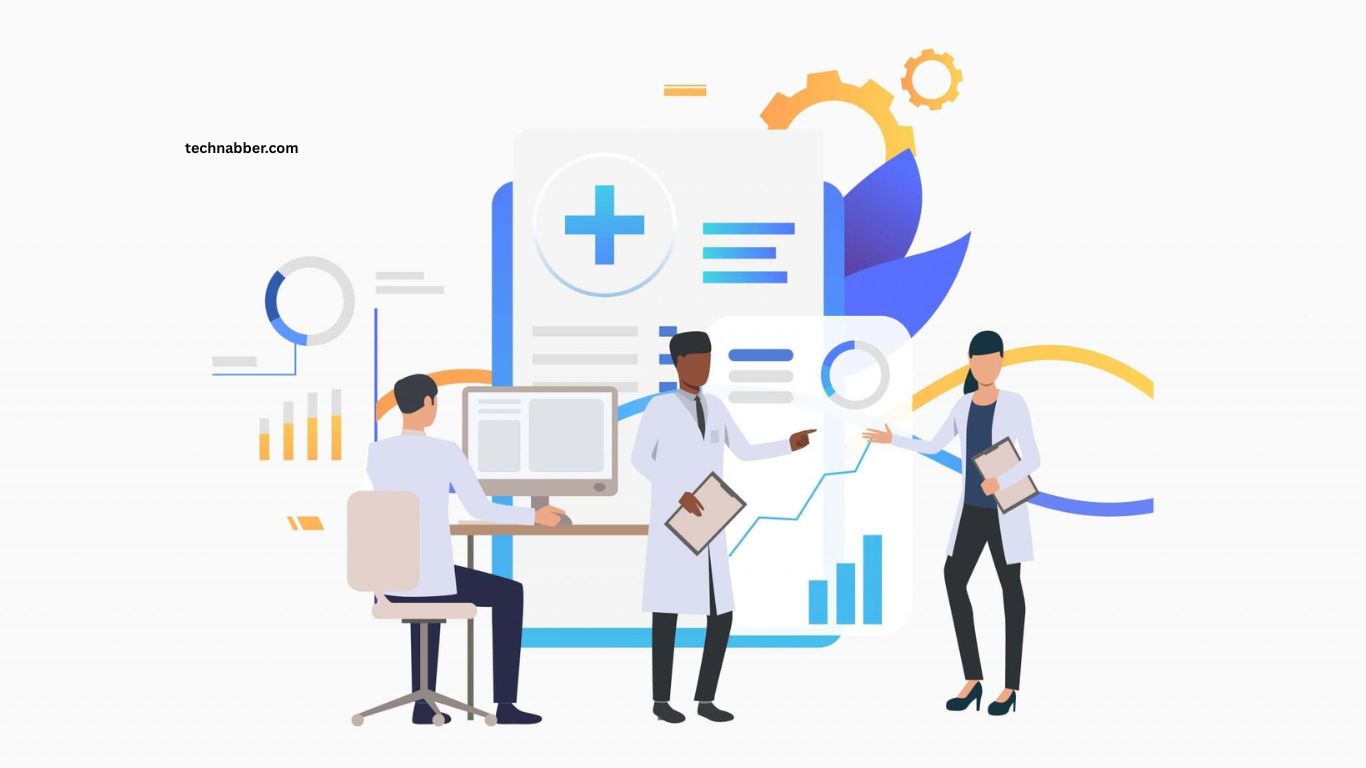
Automation is transforming the modern workplace by changing how businesses manage tasks, support employees, and deliver products or services. From artificial intelligence and robotic process automation to smart software and machine learning, companies are adopting advanced technologies to improve productivity and reduce repetitive work.
The rise of automation is creating a workplace where technology and human skills work together. Instead of simply replacing traditional roles, automation can help employees focus on creative thinking, problem-solving, decision-making, and other activities that require human judgment. Understanding these changes can help businesses and professionals prepare for the future of work.
Read More: The Evolution of Consumer Technology Explained
What Is Workplace Automation?
Workplace automation refers to using technology to complete tasks that previously required manual human effort. Automated systems can handle repetitive processes such as data entry, scheduling, customer support, inventory management, payroll processing, and basic reporting.
Modern automation goes beyond simple software commands. Artificial intelligence and machine learning allow systems to analyze information, identify patterns, and support more complex decisions. This development is making automation relevant across industries, including finance, healthcare, manufacturing, retail, logistics, marketing, and technology.
How Automation Is Changing Employee Roles
Automation is changing the responsibilities associated with many jobs. Employees can spend less time completing repetitive tasks and more time working on activities that require creativity, communication, strategy, and critical thinking.
For example, automated reporting tools can collect and organize business data, allowing employees to focus on interpreting results and developing strategies. Customer service platforms can manage common questions while human representatives handle complex customer concerns.
This shift does not mean every traditional role will disappear. Instead, many positions are evolving as technology becomes part of everyday workflows. Employees who understand how to use digital tools can become more valuable within technology-driven organizations.
Automation and Workplace Productivity
One of the biggest benefits of automation is improved productivity. Automated systems can perform repetitive tasks quickly and consistently, helping businesses save time and reduce operational delays.
Automation can also reduce human errors in processes involving large amounts of data. When routine work is handled by reliable software, employees can dedicate more attention to important business activities.
Better productivity can allow companies to respond faster to customer needs, improve service quality, and manage resources more efficiently. However, successful automation depends on selecting suitable processes and implementing technology carefully.
The Growing Importance of Digital Skills
As automation expands, digital skills are becoming increasingly important. Employees may need to understand data analysis, artificial intelligence, cybersecurity, software platforms, and automated workflows depending on their roles.
Soft skills remain equally valuable. Communication, leadership, adaptability, creativity, collaboration, and problem-solving are difficult to automate because they depend heavily on human judgment and interaction.
Businesses that invest in continuous employee training can create a workforce that adapts more effectively to technological change. Professional development can also help employees remain competitive as job requirements evolve.
Automation and the Future of Jobs
The impact of automation on employment is complex. Some repetitive tasks may decline as machines and software become more capable, while new opportunities can emerge around technology development, management, analysis, maintenance, and oversight.
The future workplace is likely to involve greater collaboration between people and intelligent systems. Employees may use AI assistants to analyze information, generate ideas, automate workflows, and improve productivity while remaining responsible for important decisions.
This human-technology partnership can create new career paths while changing the skills required for existing positions.
Benefits of Automation for Businesses
Automation can provide several advantages for organizations. Faster workflows can improve operational efficiency, while consistent processes can support better quality control. Automated systems can also operate continuously, helping businesses manage workloads outside traditional working hours.
Cost efficiency is another important factor. By reducing the amount of time employees spend on repetitive activities, businesses can redirect resources toward innovation, customer experience, and strategic growth.
Automation can also provide valuable data that helps organizations understand performance and identify areas for improvement.
Challenges of Workplace Automation
Despite its advantages, automation also creates challenges. Employees may worry about job changes, skill requirements, or uncertainty about their career paths. Businesses must address these concerns through transparent communication and meaningful training opportunities.
Data privacy and cybersecurity are additional concerns. Automated systems often process large amounts of sensitive information, making strong security practices essential.
Poorly planned automation can also create inefficiencies. Businesses should evaluate workflows carefully before introducing new technology and ensure employees understand how automated systems affect their responsibilities.
How Businesses Can Prepare for an Automated Future
Organizations can prepare by identifying repetitive processes that offer clear opportunities for automation. Starting with manageable projects allows businesses to evaluate results before expanding automation across larger operations.
Employee training should remain a central part of the transition. Workers need practical knowledge about new tools, updated workflows, and the skills required for evolving roles.
A successful automation strategy should focus on collaboration rather than technology alone. Businesses can achieve stronger results when employees participate in implementation, provide feedback, and understand how automation supports organizational goals.
Frequently Asked Questions
How is automation changing the workplace?
Automation handles repetitive tasks, allowing employees to focus more on creative, strategic, and complex work.
Will automation replace human workers?
Automation may replace some tasks, but it also creates new roles and increases demand for technology and human-centered skills.
What are the main benefits of workplace automation?
Key benefits include higher productivity, fewer errors, faster workflows, lower costs, and improved operational efficiency.
What skills are important in an automated workplace?
Digital literacy, problem-solving, creativity, communication, adaptability, and critical thinking are increasingly valuable.
Which industries use workplace automation?
Manufacturing, healthcare, finance, retail, logistics, marketing, customer service, and technology widely use automation.
What is the future of automation in the workplace?
Automation will increasingly support employees, streamline workflows, and create stronger collaboration between people and technology.
Conclusion
Automation is redefining the workplace by improving productivity, changing employee responsibilities, and creating new opportunities for digital innovation. Its influence will continue to expand as artificial intelligence, machine learning, and intelligent software become more capable. The future of work will not simply be about humans versus machines. It will increasingly focus on how people and technology can work together effectively.
