

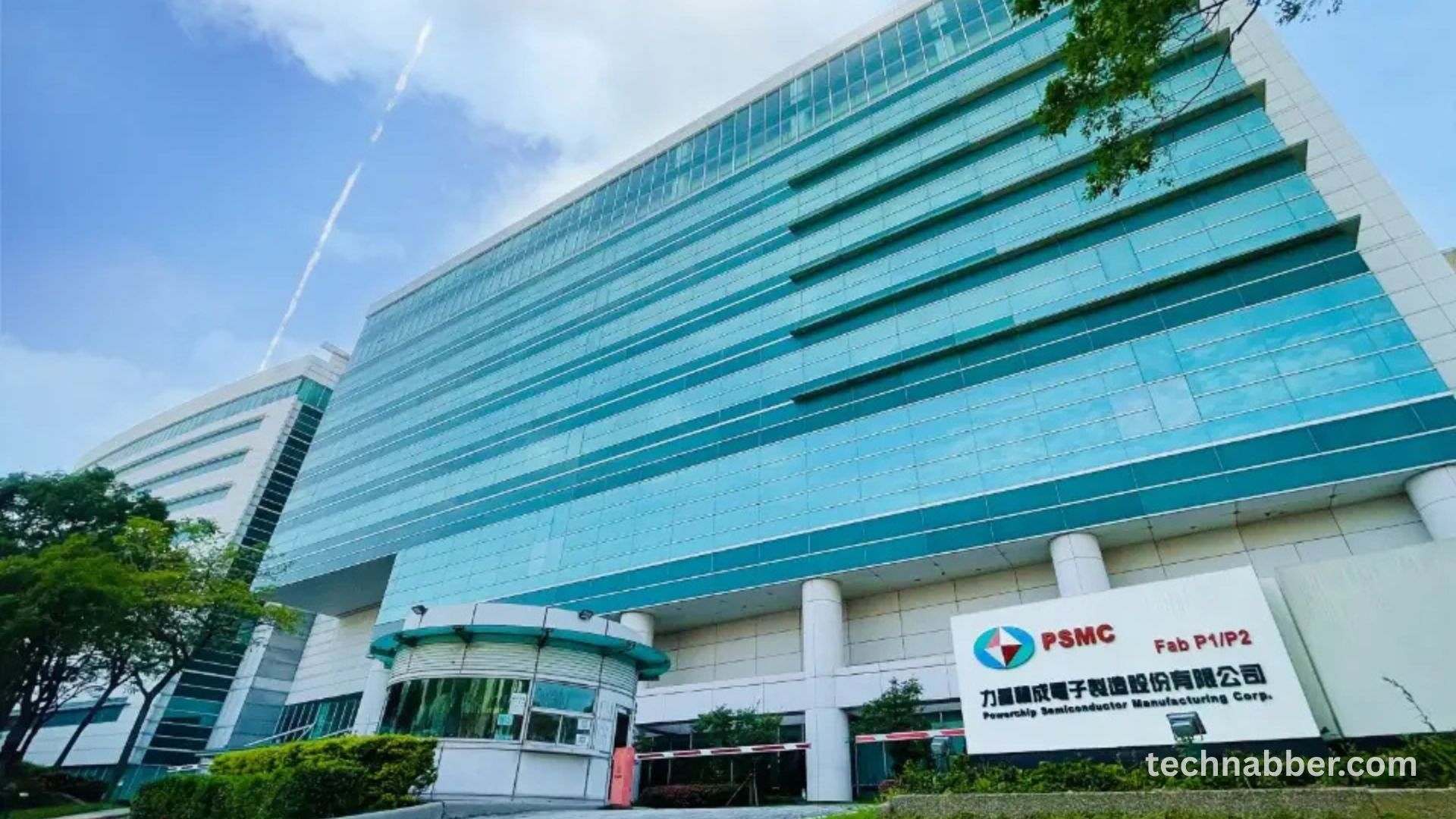
Micron Technology, a global leader in memory and storage solutions, has announced a major expansion of its DRAM operations in Taiwan. This move aims to capitalize on the surging demand for artificial intelligence technologies, which increasingly rely on high-performance memory solutions. As AI applications grow across cloud computing, data centers, and autonomous technologies, DRAM has become a critical component, driving both capacity and speed requirements. Micron’s expansion reflects the company’s strategic focus on meeting these long-term industry demands while strengthening its competitive position in Asia.
Industry analysts highlight that this expansion is not just about production capacity but also technological advancement. By enhancing its Taiwan footprint, Micron can support next-generation AI applications that require cutting-edge memory solutions. The move is also a response to global semiconductor supply challenges, with Taiwan serving as a critical hub for DRAM manufacturing. This investment underscores the company’s commitment to maintaining leadership in the memory sector while ensuring that AI developers have access to the high-speed, high-capacity memory needed for innovative technologies.
Background: Micron’s DRAM Business
Micron has long been a key player in the global DRAM market, competing with major firms such as Samsung Electronics and SK Hynix. DRAM, or Dynamic Random Access Memory, is an essential type of memory used in computing systems to store temporary data for processing tasks. With the rise of AI, cloud computing, and edge devices, DRAM demand has increased significantly, making it a strategic focus for semiconductor companies.
Taiwan, home to leading semiconductor fabrication facilities, offers Micron both advanced manufacturing capabilities and proximity to key Asian markets. Expanding DRAM production in Taiwan allows Micron to leverage local expertise, modern fabs, and logistical advantages. The company has already invested billions in the region, and this expansion continues that trajectory, signaling confidence in the long-term growth of AI and memory-intensive technologies.
Why DRAM is Critical for AI
Artificial intelligence applications, particularly those involving machine learning and deep learning, require high-speed, large-capacity memory. DRAM plays a central role in storing and quickly accessing data for AI computations, enabling faster training and inference of complex models. As AI models grow in size and sophistication, the demand for efficient DRAM solutions increases, both in data centers and specialized hardware like GPUs and AI accelerators.
Micron’s expansion addresses these needs by increasing production capacity and investing in more advanced DRAM technologies. This ensures that AI developers have the memory resources required to handle larger datasets and more complex algorithms. Experts predict that AI-related DRAM demand will continue to grow over the next decade, driven by innovations in autonomous vehicles, natural language processing, cloud computing, and generative AI applications.
Details of the Expansion
Micron’s announcement includes plans to increase wafer production and expand assembly and testing operations in Taiwan. The company will deploy cutting-edge DRAM fabrication technologies, enabling higher memory density, faster data transfer speeds, and improved energy efficiency. By enhancing manufacturing capabilities locally, Micron can better serve the growing AI and high-performance computing markets while maintaining supply chain resilience.
Executives have emphasized that this expansion is designed to meet both immediate and long-term AI memory requirements. Investments will also focus on research and development, ensuring that future DRAM products are optimized for AI workloads. The expansion aligns with Micron’s broader strategy to strengthen its technological edge while ensuring production scalability to meet market demand.
Global Semiconductor Market Context
The semiconductor market has experienced significant growth and volatility in recent years, fueled by AI, cloud computing, gaming, and IoT applications. DRAM, as a key memory component, has seen demand surge due to AI’s data-intensive nature. However, supply chain challenges, geopolitical tensions, and manufacturing constraints have created pressure for memory companies to invest in capacity expansion strategically.
Micron’s move in Taiwan reflects broader industry trends, including diversification of production sites, investment in advanced manufacturing technologies, and targeting high-growth markets. By expanding DRAM capacity in Asia, Micron ensures it can meet global demand while mitigating risks associated with supply disruptions and regional dependencies.
Economic and Strategic Implications
Expanding DRAM production in Taiwan carries significant economic and strategic implications. Taiwan remains a global semiconductor hub, and investments in the region strengthen Micron’s presence in critical markets. The expansion also supports job creation, technical expertise development, and local supply chain growth, benefiting both Micron and the broader Taiwanese semiconductor ecosystem.
Strategically, Micron’s Taiwan expansion positions the company to capitalize on AI-driven growth trends. By ensuring robust production capacity, the company can compete effectively against other memory giants while maintaining leadership in innovation and technology. Analysts view this investment as a long-term bet on the sustained growth of AI applications worldwide.
Technological Advancements in DRAM
Micron’s expansion is not limited to capacity increases; it also focuses on technological innovation. Advanced DRAM solutions are essential for AI systems, providing higher bandwidth, lower latency, and greater energy efficiency. These improvements enable faster AI computations, improved data handling, and support for increasingly complex neural networks.
Next-generation DRAM technologies also integrate features that enhance reliability and scalability, allowing data centers and AI systems to handle larger workloads with reduced energy consumption. Micron’s focus on technological excellence ensures that its DRAM products remain competitive and capable of meeting future AI requirements.
Impact on AI Development
AI developers and data center operators stand to benefit significantly from Micron’s expanded DRAM production. Increased availability of high-speed, high-capacity memory enables faster AI training cycles, supports larger datasets, and improves real-time AI inference capabilities. This investment ultimately accelerates innovation across AI sectors, from cloud computing to autonomous systems and generative AI platforms.
By addressing potential memory bottlenecks, Micron ensures that AI developers can focus on building advanced models without being constrained by hardware limitations. This contribution is essential for sustaining the rapid growth of AI technologies globally.
Global Industry Reactions
Industry analysts have welcomed Micron’s expansion, noting that it reflects a strategic response to growing AI demand. Competitors are closely watching Micron’s move, as Taiwan continues to be a critical site for semiconductor production. Experts highlight that this expansion will likely drive further investments in DRAM and memory solutions globally, creating a more competitive and technologically advanced market.
Investors have also responded positively, viewing the expansion as a long-term growth opportunity. With AI-related memory demand expected to rise continuously, companies that can scale production efficiently and innovate technologically are well-positioned for future success.
Environmental and Energy Considerations
High-volume DRAM production consumes significant energy and resources. Micron has stated that sustainability and energy efficiency are key priorities for its Taiwan operations. By investing in energy-efficient manufacturing processes and optimizing wafer fabrication, Micron aims to reduce environmental impact while maintaining high production standards.
Sustainable DRAM manufacturing is increasingly important as AI workloads grow and global energy consumption rises. Companies that integrate environmental responsibility into expansion plans are likely to face fewer regulatory challenges and enjoy stronger public support.
Read More: Meta AI Data Scraping: Taskers Collect Web Content for Training
Challenges and Risks
Despite the promising outlook, Micron faces several challenges in expanding its Taiwan DRAM operations. Global supply chain disruptions, geopolitical tensions, and competition from other DRAM manufacturers pose risks. Additionally, ensuring workforce training and adapting to new manufacturing technologies are critical for maintaining production efficiency and quality.
The company must also navigate market fluctuations in memory pricing and demand, balancing investment costs with expected returns. Strategic risk management and adaptive planning will be essential for the success of this expansion.
FAQs (Frequently Asked Questions)
Why is Micron expanding DRAM operations in Taiwan?
Micron aims to meet rising AI demand and strengthen its presence in a key semiconductor hub.
How does DRAM support AI applications?
DRAM provides high-speed memory critical for AI training, inference, and large datasets.
What technologies are involved in the expansion?
Micron is deploying advanced DRAM fabrication for higher density, speed, and energy efficiency.
How does the expansion impact global AI development?
It ensures faster AI model training, improved performance, and access to larger datasets worldwide.
Are there environmental considerations in the expansion?
Yes, Micron is investing in energy-efficient manufacturing to reduce environmental impact.
What risks does Micron face in Taiwan?
Challenges include supply chain disruptions, geopolitical tensions, and competitive pressures.
How will this affect Micron’s market position?
The expansion strengthens Micron’s leadership in DRAM and positions it as a top AI memory provider.
What is the long-term goal of the Taiwan expansion?
To capture sustainable AI-driven memory demand while advancing technology and production capacity.
Conclusion:
Micron’s Taiwan DRAM expansion is a strategic move to meet growing AI demand. By increasing production, investing in advanced technology, and focusing on sustainability, the company strengthens its global leadership in memory solutions. This investment supports AI applications across cloud computing, autonomous systems, and generative AI, while reinforcing Taiwan’s role as a semiconductor hub. By balancing innovation, market demand, and environmental responsibility, Micron ensures AI developers have access to high-speed, high-capacity memory for next-generation technologies.
