

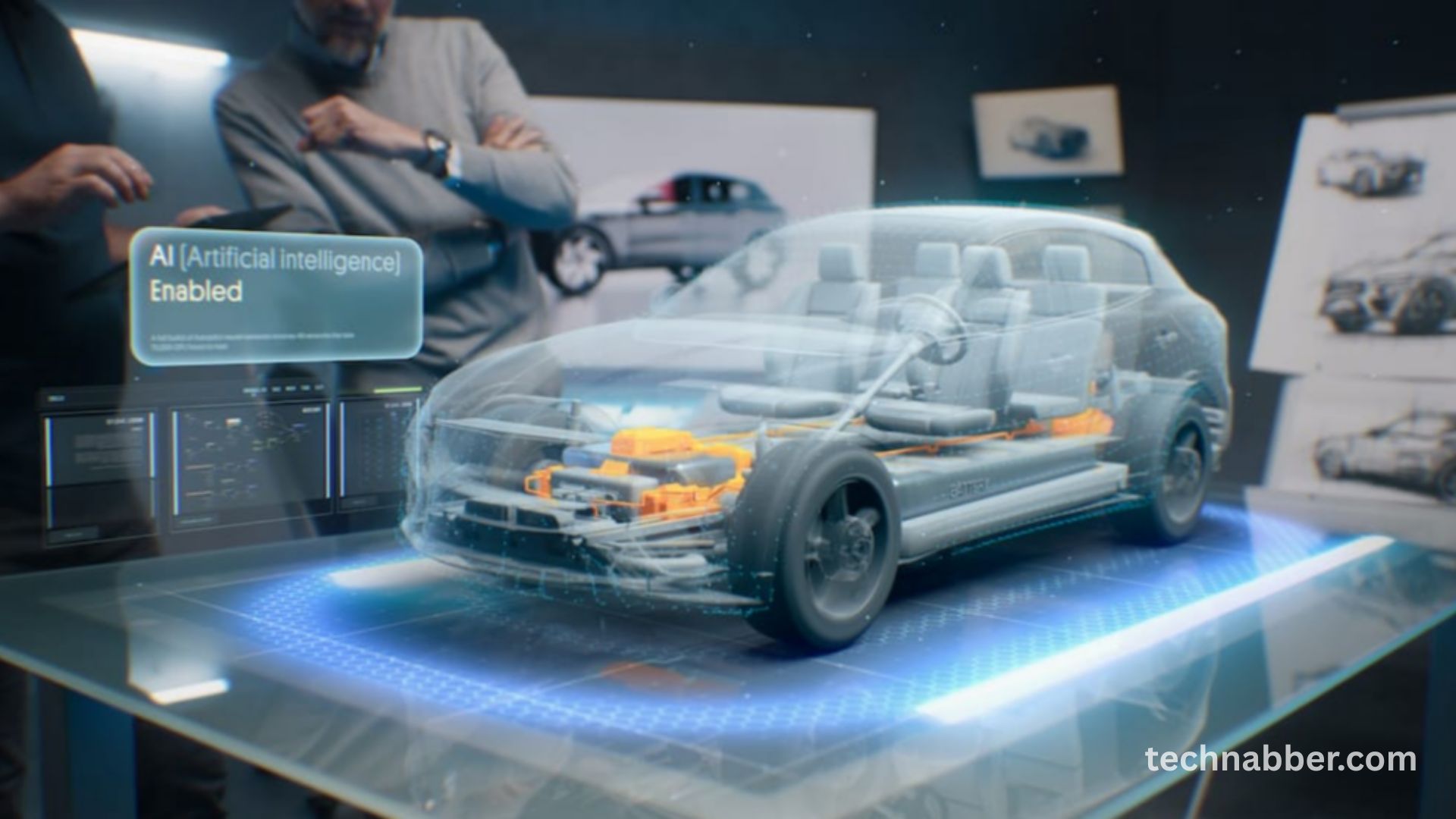
The electric vehicle industry is evolving at a very fast pace, and software has now become just as important as mechanical engineering. Modern electric vehicles are no longer simple transport machines; instead, they are intelligent digital systems powered by advanced computing and artificial intelligence. Features such as navigation, safety control, energy optimization, and entertainment are all managed through software, making Software and AI in EVs a core part of the automotive revolution. This shift is transforming how people experience driving by making vehicles smarter, safer, and more connected.
The integration of Software and AI in EVs is introducing powerful innovations such as over-the-air updates, advanced driver assistance systems, mobile applications, and cybersecurity frameworks. These technologies are not only improving performance but also enhancing user convenience and safety at the same time. As global automakers compete to build smarter electric vehicles, software is becoming the main foundation of innovation. This article explains how EV software works through OTA updates, ADAS systems, apps, and security features in detail.
The Rise of Software-Defined Electric Vehicles
Electric vehicles are no longer defined only by batteries, motors, and physical components. Instead, they are becoming software-defined machines where most vehicle functions are controlled digitally. Software and AI in EVs allow manufacturers to continuously improve performance, safety, and user experience even after the vehicle has been purchased. This makes EVs highly flexible and future-ready compared to traditional vehicles.
This transformation is reshaping the entire automotive industry. Vehicles are now updated in a similar way to smartphones, where new features and improvements are delivered through software updates rather than physical changes. This reduces dependency on hardware upgrades and allows manufacturers to innovate faster. As a result, EVs are becoming more intelligent, adaptable, and long-lasting in performance.
Over-the-Air (OTA) Updates in EVs
Over-the-air (OTA) updates are one of the most powerful features in Software and AI in EVs. These updates allow manufacturers to send new software directly to vehicles without requiring drivers to visit service centers. OTA updates can include bug fixes, performance improvements, security patches, and even completely new features that enhance driving experience.
OTA technology ensures that electric vehicles remain updated throughout their entire lifecycle. It also reduces maintenance costs and downtime for users while improving convenience. Many leading EV manufacturers now rely on OTA updates as a standard feature, allowing continuous improvement of vehicles after purchase. This makes EV ownership more dynamic and future-oriented.
How OTA Updates Improve Performance
OTA updates do more than just fix software issues; they actively improve vehicle performance over time. Software and AI in EVs enable real-time optimization of battery efficiency, energy consumption, and driving range through intelligent updates. This means a vehicle can become more efficient without any physical modifications.
In some cases, manufacturers have used OTA updates to enhance acceleration, extend battery range, and improve driving modes. These upgrades demonstrate how software can redefine vehicle capabilities after sale. It highlights the growing importance of digital systems in shaping the long-term value of electric vehicles.
ADAS: Advanced Driver Assistance Systems
Advanced Driver Assistance Systems (ADAS) are a major innovation in Software and AI in EVs. These systems use sensors, cameras, radar, and AI algorithms to assist drivers in real time. Features like lane keeping assist, adaptive cruise control, collision warning, and automatic braking are all part of ADAS technology.
The primary goal of ADAS is to reduce human error and improve road safety. While fully autonomous driving is still under development, ADAS already provides significant safety support to drivers. It helps reduce accidents, improve awareness, and make driving more comfortable in different road conditions.
The Role of AI in Driving Assistance
Artificial intelligence is the core technology behind ADAS in Software and AI in EVs. AI systems analyze data from multiple sensors to understand road conditions, traffic flow, and potential hazards. This allows vehicles to respond quickly and make real-time decisions.
AI can detect obstacles, maintain safe distance from other vehicles, and adjust speed automatically when necessary. These capabilities significantly enhance driving safety and reduce reaction time compared to human drivers. As AI continues to improve, driving assistance systems are becoming more accurate and reliable.
EV Apps and Digital Ecosystems
Mobile applications are an essential part of Software and AI in EVs, allowing users to connect with their vehicles digitally. These apps provide remote access to vehicle functions such as locking, unlocking, battery monitoring, and climate control. They also help users locate charging stations and plan trips efficiently.
EV apps create a complete digital ecosystem where drivers can interact with their vehicles anytime and anywhere. This improves convenience and gives users more control over their driving experience. As connectivity improves, these apps are becoming central to EV ownership.
Smart Features in EV Apps
Modern EV apps offer a wide range of smart features powered by Software and AI in EVs. These include remote diagnostics, charging scheduling, real-time alerts, and navigation integration. Users can also monitor battery health and driving performance directly from their smartphones.
Some apps also provide detailed analytics about driving behavior, helping users improve efficiency and reduce energy consumption. These features make electric vehicles more interactive and intelligent, enhancing the overall ownership experience.
Cybersecurity in Electric Vehicles
Cybersecurity is a critical component of Software and AI in EVs due to increasing vehicle connectivity. Modern EVs rely heavily on internet-based systems, making them potential targets for cyberattacks. Protecting these systems is essential for ensuring safe and reliable operation.
Manufacturers use encryption, firewalls, and secure communication protocols to protect vehicles from unauthorized access. Regular software updates also help fix security vulnerabilities. Cybersecurity ensures that both user data and vehicle systems remain safe from digital threats.
Protecting Data and Vehicle Systems
Electric vehicles collect large amounts of sensitive data, including location history, driving behavior, and user preferences. In Software and AI in EVs, protecting this data is a top priority for manufacturers and developers.
Advanced monitoring systems are used to detect suspicious activity and prevent data breaches. Continuous updates and security patches help strengthen protection over time. This ensures that users can trust their connected vehicles without worrying about privacy risks.
AI-Powered Energy Management
Energy optimization is one of the most important advantages of Software and AI in EVs. AI systems analyze driving patterns, traffic conditions, and road terrain to optimize battery usage. This helps improve energy efficiency and extend driving range.
Smart energy management also helps reduce charging frequency and increase battery lifespan. By intelligently distributing power usage, AI ensures that vehicles operate at maximum efficiency under different conditions. This is a key factor in improving EV performance.
Predictive Maintenance in EVs
Predictive maintenance is an advanced feature enabled by Software and AI in EVs that helps identify potential vehicle issues before they occur. Sensors continuously monitor vehicle health and performance to detect early warning signs.
This approach reduces repair costs and prevents unexpected breakdowns. Drivers receive alerts when maintenance is needed, allowing timely servicing. Predictive systems improve reliability and extend the life of electric vehicles.
The Future of Autonomous Driving
Autonomous driving is one of the most advanced applications of Software and AI in EVs. While fully self-driving vehicles are still in development, significant progress has been made in partial automation. AI systems can already handle tasks like steering, braking, and parking in controlled environments.
The future of autonomous driving promises safer roads and reduced human error. As technology advances, vehicles will become more independent and capable of handling complex driving situations. This will redefine transportation as we know it today.
Challenges in Software-Driven EVs
Despite rapid progress, Software and AI in EVs face several challenges including cybersecurity risks, high development costs, and regulatory issues. Ensuring safety and reliability in all conditions remains a major concern for manufacturers.
Another challenge is maintaining system stability across different environments and software updates. Continuous testing and improvement are required to ensure consistent performance. These challenges highlight the complexity of building fully software-driven vehicles.
Read More: MyRepublic Launches Email Guard Powered by Check Point for SMEs
The Future of EV Software Innovation
The future of Software and AI in EVs is expected to be highly connected and intelligent, with vehicles communicating in real time with infrastructure and other systems. This will improve traffic management and road safety significantly.
EVs will also integrate more deeply with smart city technologies, enabling efficient transportation networks. Software will continue to drive innovation, making electric vehicles more advanced, autonomous, and environmentally friendly.
FAQs (Frequently Asked Questions)
What is software and AI in EVs?
It refers to advanced digital systems and artificial intelligence that manage, control, and continuously improve electric vehicle performance, safety, and smart features.
What are OTA updates in EVs?
OTA (Over-the-Air) updates allow electric vehicles to receive software upgrades, new features, and bug fixes remotely without visiting a service center.
What is ADAS in electric vehicles?
ADAS (Advanced Driver Assistance Systems) includes smart safety features like lane keeping, adaptive cruise control, and automatic emergency braking to support drivers.
How do EV apps work?
EV apps connect users to their vehicles through smartphones, allowing remote control, battery monitoring, charging management, and real-time vehicle tracking.
Why is cybersecurity important in EVs?
Cybersecurity protects electric vehicles from hacking attempts, data theft, and unauthorized access, ensuring safe and secure digital driving systems.
Can AI improve EV performance?
Yes, AI improves EV performance by optimizing battery usage, enhancing driving efficiency, predicting maintenance needs, and improving overall vehicle safety.
Are EVs becoming fully autonomous?
EVs are moving toward autonomy, but fully self-driving technology is still under development, with current systems offering partial automation features.
What is the future of EV software?
The future of EV software includes fully connected vehicles, smart city integration, real-time communication systems, and highly advanced autonomous driving technology.
Conclusion:
Software and AI in EVs are transforming the automotive industry by making vehicles smarter, safer, and more efficient. From OTA updates to ADAS systems and cybersecurity, software is now the foundation of modern electric mobility.
As technology continues to evolve, EVs will become even more intelligent and connected. The future of transportation will rely heavily on software-driven innovation, shaping a new era of smart and sustainable mobility.
