

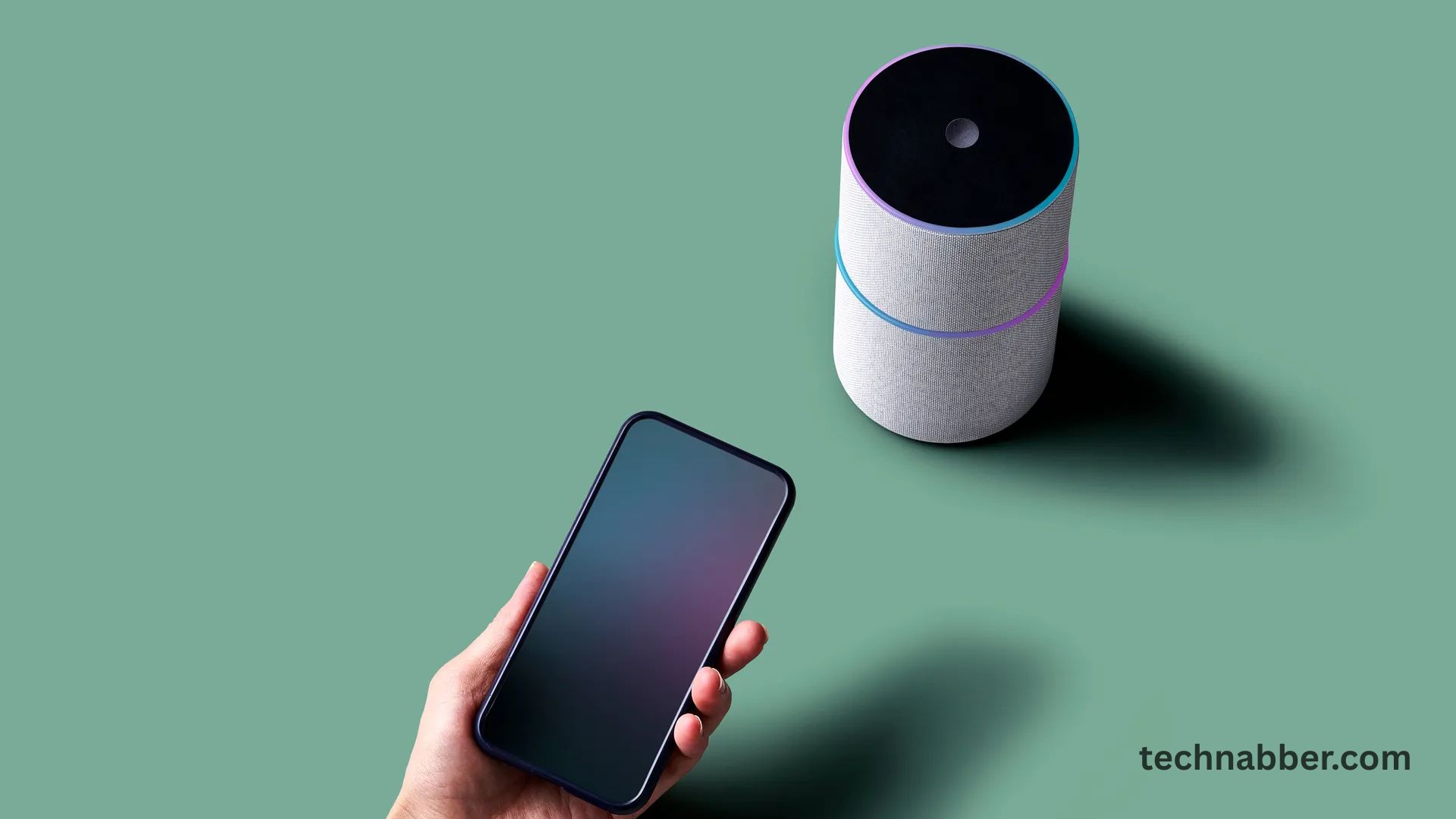
The smart home industry continues to evolve rapidly, transforming the way people live, interact, and manage their homes. From voice-controlled assistants to AI-powered security systems, modern smart home gadgets are designed to enhance convenience, efficiency, and safety. As technology advances, consumers are increasingly adopting connected devices that integrate seamlessly into daily routines. This growing demand has led to continuous innovation, with companies introducing smarter, faster, and more intuitive products.
At the same time, the smart home market is becoming more competitive, with brands striving to deliver better performance, improved security, and user-friendly experiences. Reviews and expert insights play a crucial role in helping consumers make informed decisions about the best devices for their needs. Staying updated with the latest smart home news and trends is essential for anyone looking to build a connected and efficient living environment.
The Rise of Smart Home Technology
Smart home technology has experienced significant growth over the past decade, driven by advancements in artificial intelligence, the Internet of Things, and wireless connectivity. Devices that once seemed futuristic are now part of everyday life, from smart speakers to automated lighting systems. These innovations allow homeowners to control various aspects of their homes remotely, enhancing convenience and efficiency.
The integration of AI into smart home devices has further expanded their capabilities. Voice assistants can now understand complex commands, learn user preferences, and provide personalized responses. This level of sophistication has made smart home technology more accessible and appealing to a wider audience. As adoption continues to grow, the industry is expected to see even more innovative solutions in the coming years.
Popular Smart Home Devices in 2026
In 2026, several categories of smart home devices are dominating the market. Smart speakers and voice assistants remain at the forefront, serving as central hubs for controlling other devices. These systems allow users to manage lighting, temperature, and entertainment with simple voice commands.
Smart security devices, including cameras, doorbells, and locks, are also gaining popularity. These products provide real-time monitoring and alerts, giving homeowners greater control over their security. Additionally, smart thermostats and energy management systems help reduce energy consumption and lower utility costs, making them an attractive option for environmentally conscious consumers.
Innovations Driving the Market
Innovation is a key driver of growth in the smart home industry. Companies are continuously developing new features and technologies to enhance user experience. One of the most notable trends is the integration of machine learning, which allows devices to adapt to user behavior and improve over time.
Another important development is the expansion of interoperability standards. As more devices are introduced, ensuring compatibility between different brands and platforms has become essential. Industry initiatives aimed at creating unified standards are helping to address this challenge, making it easier for consumers to build integrated smart home systems.
Smart Home Security and Privacy Concerns
While smart home devices offer numerous benefits, they also raise important security and privacy concerns. Connected devices can be vulnerable to cyberattacks, potentially exposing sensitive data and compromising user privacy. Manufacturers are increasingly focusing on security features, such as encryption and secure authentication, to address these risks.
Consumers also play a role in maintaining security by following best practices, such as using strong passwords and regularly updating device software. Awareness of potential risks and proactive measures can help mitigate security concerns and ensure a safe smart home environment.
Role of AI and Automation
Artificial intelligence and automation are transforming the way smart homes operate. AI-powered systems can analyze data, predict user preferences, and automate routine tasks. For example, a smart thermostat can adjust temperature settings based on occupancy patterns, while automated lighting systems can create personalized ambiance based on time of day.
Automation not only enhances convenience but also improves energy efficiency. By optimizing device usage, smart home systems can reduce energy consumption and contribute to sustainability efforts. As AI technology continues to advance, its role in smart homes is expected to become even more significant.
Consumer Trends and Preferences
Consumer preferences are shaping the direction of the smart home market. Users are increasingly seeking devices that are easy to install, intuitive to use, and compatible with existing systems. The demand for voice control and mobile app integration continues to grow, reflecting the importance of seamless user experiences.
Affordability is another key factor influencing adoption. As technology becomes more accessible, a wider range of consumers can invest in smart home solutions. This trend is driving competition among manufacturers, leading to improved product quality and lower prices.
Impact on Daily Life
Smart home technology is having a profound impact on daily life. From simplifying household tasks to enhancing security, these devices are making homes more efficient and comfortable. Automated systems can handle routine activities, allowing users to focus on more important aspects of their lives.
The ability to control devices remotely also provides greater flexibility and convenience. Whether adjusting the thermostat while away or monitoring security cameras in real time, smart home technology offers unprecedented control over living environments. This level of convenience is one of the main reasons for the growing popularity of smart home solutions.
Challenges in the Smart Home Industry
Despite its growth, the smart home industry faces several challenges. Compatibility issues between devices from different manufacturers can create difficulties for users. Ensuring seamless integration requires ongoing collaboration among industry players.
Security concerns remain a significant challenge, as connected devices can be targets for cyberattacks. Manufacturers must continue to prioritize security and develop solutions to protect user data. Additionally, concerns about data privacy and the ethical use of AI need to be addressed to maintain consumer trust.
Future Outlook
The future of smart home technology looks promising, with continued innovation and growth expected in the coming years. Emerging technologies such as 5G connectivity and advanced AI will further enhance the capabilities of smart home devices. Faster connectivity will enable real-time data processing and improved performance, while AI will drive more intelligent automation.
As the market evolves, consumers can expect more integrated and user-friendly solutions. The focus will likely shift toward creating fully connected ecosystems where devices work seamlessly together. This vision of a truly smart home environment is becoming increasingly achievable as technology continues to advance.
FAQs (Frequently Asked Questions)
What is a smart home?
A smart home uses connected devices to automate and control lighting, security, and appliances remotely.
Which smart home devices are most popular?
Smart speakers, security cameras, doorbells, thermostats, and lighting systems are widely used.
How do smart home devices work?
They connect through Wi-Fi or IoT networks and are controlled via apps or voice assistants.
Are smart home devices secure?
They can be secure if users apply strong passwords, updates, and enable advanced security features.
What are the benefits of a smart home?
Convenience, energy efficiency, improved security, and remote control of home systems.
Can smart home devices save energy?
Yes, devices like smart thermostats and lighting reduce energy use through automation.
Do smart home devices require internet?
Most devices need internet connectivity for remote access and full functionality.
What is the future of smart homes?
Future homes will use advanced AI, automation, and better integration for smarter living.
Conclusion:
The smart home industry is rapidly transforming daily life, offering convenience, efficiency, and enhanced security. Continuous innovation and growing consumer demand are driving market expansion, with devices becoming increasingly sophisticated. Staying updated on news, reviews, and gadgets helps consumers make informed choices. By embracing AI-driven automation, connected systems, and smart devices, homeowners can improve energy efficiency, security, and comfort. The future of smart homes is bright, combining technology and innovation to create adaptable, intelligent living spaces.
