

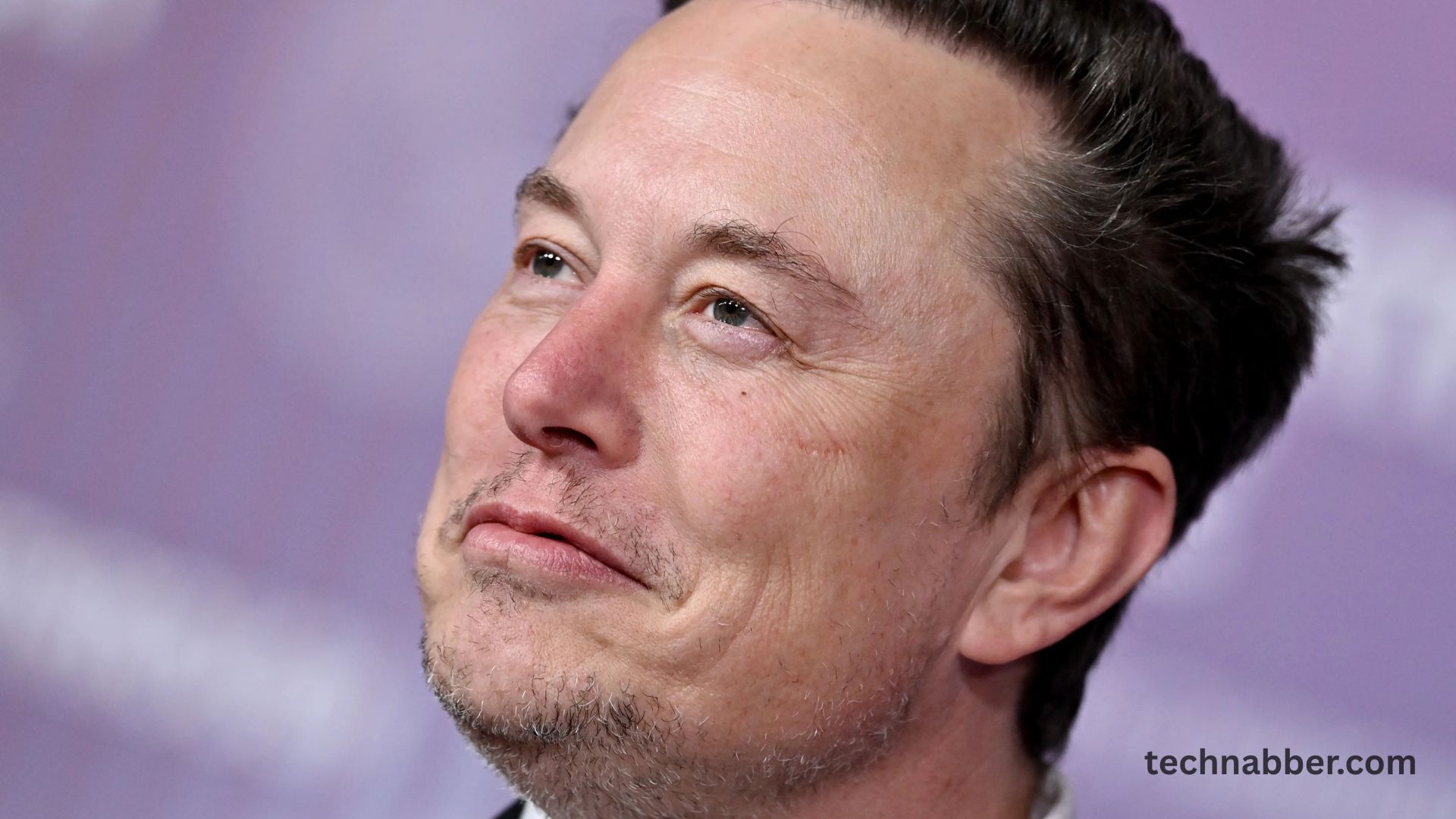
In a dramatic escalation of tensions within the artificial intelligence industry, Elon Musk has taken a bold legal stance against OpenAI, requesting that any damages awarded from his ongoing lawsuit be directed to the organization’s nonprofit arm. The move has immediately drawn global attention, not only because of Musk’s high-profile status but also due to the broader implications it carries for the governance and ethical direction of advanced AI systems. Once a co-founder and early supporter of OpenAI, Musk has increasingly criticized the company for what he sees as a departure from its founding mission.
At the heart of this legal battle lies a fundamental question about the future of artificial intelligence: should it remain a force for public good, or is commercialization inevitable in a rapidly evolving tech landscape? By seeking to route damages toward OpenAI’s nonprofit entity, Musk appears to be reinforcing his belief that AI development must prioritize humanity over profit. As the case unfolds, it is expected to ignite debates among policymakers, technologists, and the public about transparency, accountability, and the ethical responsibilities of AI organizations.
Background: The Origins of OpenAI and Elon Musk’s Role
The story of OpenAI begins in 2015, when a group of prominent tech leaders, including Elon Musk and Sam Altman, came together with a shared vision: to develop artificial intelligence that would benefit humanity as a whole. At the time, concerns were growing about the unchecked advancement of AI technologies and the potential risks they posed if controlled by a handful of powerful corporations.
OpenAI was initially established as a nonprofit organization, a decision that set it apart from traditional Silicon Valley startups. The founders pledged to prioritize safety, transparency, and collaboration over profit. Musk, in particular, was vocal about the existential risks associated with AI and emphasized the need for responsible development.
However, as AI research became increasingly expensive and competitive, OpenAI transitioned to a “capped-profit” model in 2019. This structural shift allowed the organization to attract significant investment while still claiming to uphold its original mission. Despite these assurances, critics—including Musk—argued that the change marked a departure from OpenAI’s founding principles.
Musk eventually distanced himself from the company, citing disagreements over its direction and governance. His concerns have only intensified in recent years, especially as OpenAI has formed partnerships with major corporations like Microsoft, raising questions about the balance between innovation and independence.
The Lawsuit: Key Claims and Legal Arguments
The lawsuit filed by Elon Musk represents a significant moment in the ongoing debate over AI governance. At its core, Musk alleges that OpenAI has deviated from its original nonprofit mission by prioritizing commercial interests and aligning too closely with corporate partners.
One of the most striking aspects of Musk’s legal strategy is his request that any damages awarded in the case be directed to OpenAI’s nonprofit arm. This unusual demand underscores his argument that the organization should refocus on its original purpose rather than financial gain.
Legal experts suggest that this approach could serve multiple purposes. On one hand, it positions Musk as an advocate for the public good, reinforcing his long-standing concerns about AI safety. On the other hand, it adds a layer of complexity to the case, as courts will need to consider not only the validity of his claims but also the appropriate allocation of any potential damages.
The lawsuit also raises broader questions about corporate accountability and the legal responsibilities of organizations that operate under hybrid structures. As AI continues to evolve, these issues are likely to become increasingly relevant.
Elon Musk’s Vision for AI and Ethical Concerns
For years, Elon Musk has been one of the most outspoken voices on the risks and responsibilities associated with artificial intelligence. He has repeatedly warned about the potential dangers of unchecked AI development, even describing it as one of the greatest threats to humanity.
Musk’s concerns are not limited to theoretical risks. He has consistently emphasized the need for transparency, regulation, and ethical oversight in the development of AI systems. His criticism of OpenAI reflects a broader belief that organizations must remain accountable to the public, especially when their technologies have far-reaching societal impacts.
By seeking to direct lawsuit damages to OpenAI’s nonprofit arm, Musk is effectively advocating for a return to the organization’s original values. This move aligns with his broader vision of AI as a tool that should benefit humanity rather than serve narrow corporate interests.
OpenAI’s Perspective and Response
While OpenAI has not publicly disclosed all the details of its legal strategy, the company has consistently defended its structure and partnerships as necessary for advancing AI research. Representatives argue that the transition to a capped-profit model was essential for securing the resources needed to compete in a highly competitive field.
OpenAI has also emphasized its commitment to safety and ethical development, pointing to its research initiatives and collaborations as evidence of its dedication to responsible AI. The organization maintains that its partnership with Microsoft has enabled it to scale its technologies while maintaining oversight and accountability.
However, critics remain skeptical, arguing that the increasing commercialization of AI raises concerns about transparency and control. The lawsuit filed by Elon Musk has brought these issues into sharper focus, prompting renewed scrutiny of OpenAI’s operations.
Industry Reactions and Expert Opinions
The legal battle between Elon Musk and OpenAI has sparked widespread debate within the tech industry. Experts are divided on the implications of the case, with some supporting Musk’s concerns and others defending OpenAI’s approach.
Supporters of Musk argue that his lawsuit highlights important issues related to accountability and transparency. They believe that directing damages to the nonprofit arm could help reinforce the organization’s original mission and set a precedent for other AI companies.
On the other hand, critics argue that Musk’s actions may be motivated by broader strategic considerations, including competition in the rapidly growing AI market. They caution that legal battles could slow innovation and create uncertainty in an already complex industry.
Regardless of differing opinions, there is widespread agreement that the case will have significant implications for the future of AI governance.
The Broader Impact on AI Regulation
The lawsuit comes at a time when governments around the world are grappling with the challenges of regulating artificial intelligence. Policymakers are increasingly focused on issues such as data privacy, algorithmic bias, and the potential misuse of AI technologies.
The actions of Elon Musk could influence these discussions by highlighting the need for clearer guidelines and stronger oversight. If successful, his legal strategy could set a precedent for how damages are allocated in cases involving organizations with hybrid structures.
Moreover, the case underscores the importance of aligning technological innovation with ethical considerations. As AI becomes more integrated into everyday life, the need for responsible governance will only continue to grow.
Public Perception and Media Coverage
The high-profile nature of the dispute has ensured extensive media coverage, with headlines focusing on the clash between Elon Musk and OpenAI. Public opinion appears to be divided, reflecting broader debates about the role of technology in society.
Some view Musk as a whistleblower seeking to hold powerful organizations accountable, while others see him as a controversial figure with his own agenda. Meanwhile, OpenAI continues to position itself as a leader in responsible AI development, emphasizing its contributions to research and innovation.
The outcome of the lawsuit is likely to shape public perception of both parties, as well as the broader AI industry.
Future Outlook: What Lies Ahead
As the legal proceedings continue, the stakes remain high for both Elon Musk and OpenAI. The case has the potential to redefine how AI organizations are structured and governed, with implications that extend far beyond the immediate parties involved.
If Musk’s request is granted, it could signal a shift toward greater emphasis on nonprofit initiatives within the AI sector. Conversely, a ruling in favor of OpenAI could reinforce the viability of hybrid models that balance profit and purpose.
Either way, the lawsuit serves as a reminder of the complex challenges associated with developing and managing advanced technologies. As AI continues to evolve, the need for thoughtful and responsible governance will remain a central concern.
FAQs (Frequently Asked Questions)
Why is Elon Musk suing OpenAI?
Elon Musk claims OpenAI has moved away from its nonprofit mission. He argues the company now prioritizes profit over public benefit.
What is Musk demanding in the lawsuit?
Musk wants any damages from the case to go to OpenAI’s nonprofit arm. This reflects his focus on restoring its original purpose.
Why is this lawsuit important?
The case could shape how AI companies are governed in the future. It raises major questions about ethics, transparency, and control.
What was OpenAI’s original mission?
OpenAI was founded to ensure AI benefits all humanity. It started as a nonprofit focused on safety and openness.
Why did OpenAI switch to a capped-profit model?
The shift allowed the company to raise funds and compete in AI research. However, critics say it changed the organization’s core direction.
How is Microsoft connected to OpenAI?
Microsoft partnered with OpenAI to provide funding and cloud support. This partnership has fueled rapid AI development.
What could happen if Musk wins the case?
It may push AI firms to focus more on nonprofit goals. It could also influence future tech regulations globally.
How does this affect the future of AI?
The lawsuit highlights growing concerns about AI control and ethics. Its outcome may impact how AI is developed and regulated worldwide.
Conclusion:
The legal clash between Elon Musk and OpenAI reflects deeper tensions in the AI industry. Musk’s demand to route damages to the nonprofit arm highlights concerns about ethics and mission drift. As the case unfolds, it may influence global debates on AI regulation, accountability, and governance. Ultimately, the outcome could shape how artificial intelligence evolves, balancing innovation with responsibility and ensuring it serves humanity rather than purely commercial interests.
