

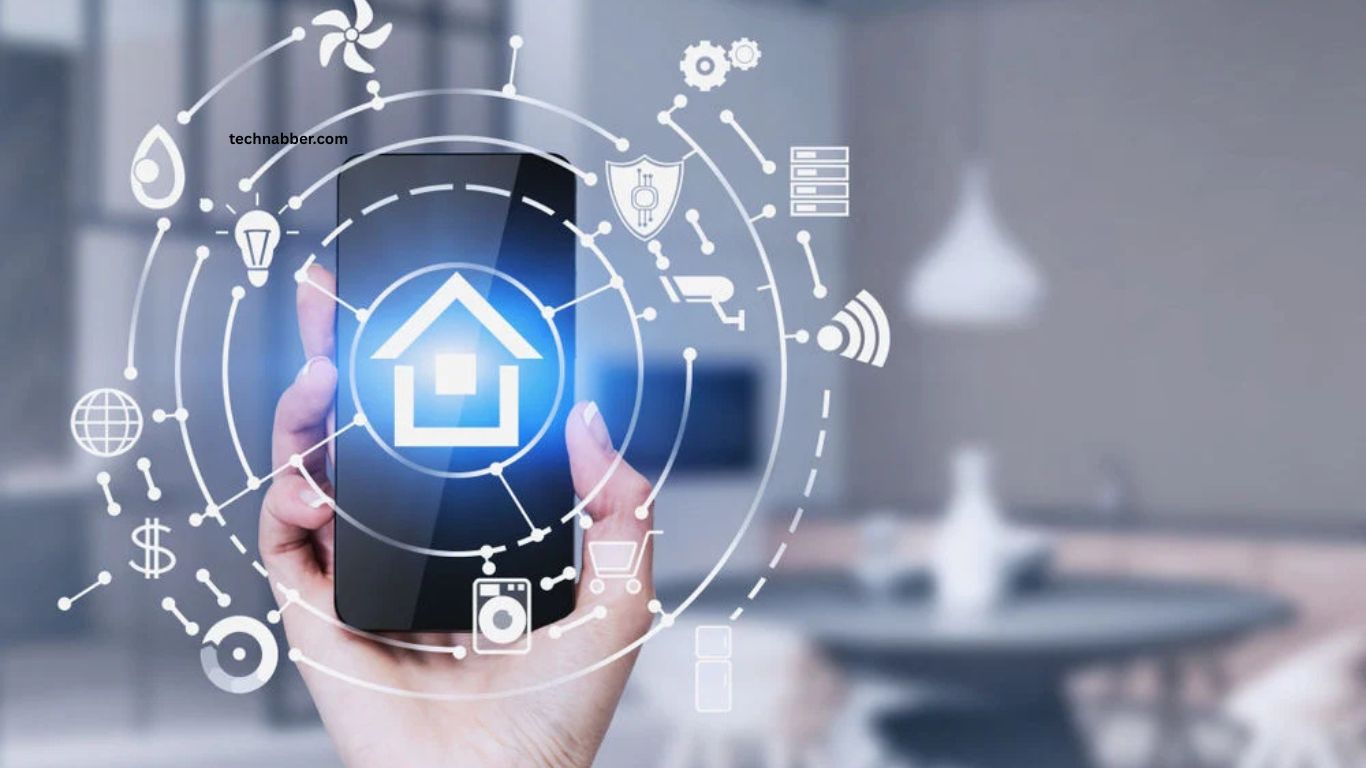
Technology continues transforming everyday life at an incredible pace. Smart innovations have become essential parts of homes, workplaces, healthcare, transportation, and communication. These advanced solutions improve convenience, increase productivity, strengthen security, and create more efficient lifestyles. As artificial intelligence, automation, and connected devices become more advanced, people enjoy greater comfort while managing daily responsibilities with less effort.
Modern living now depends on intelligent systems that learn user preferences, automate repetitive tasks, and deliver personalized experiences. Businesses also benefit from these innovations by improving customer service, reducing operational costs, and increasing efficiency. Smart technologies are no longer futuristic concepts—they are practical tools shaping a better future.
Read More: Future Tech Predictions Backed by Industry Experts
Smart Technology Creates Smarter Homes
Smart homes represent one of the most visible examples of technological advancement. Connected devices communicate through wireless networks, allowing homeowners to control lighting, security systems, appliances, and climate settings from smartphones or voice assistants.
Intelligent thermostats automatically adjust temperatures based on daily routines, helping reduce energy consumption without sacrificing comfort. Smart lighting systems can switch on or off according to occupancy, while automated door locks and surveillance cameras improve household security. These technologies save time while creating safer, more energy-efficient living environments.
The integration of multiple smart devices into a single ecosystem allows homeowners to manage everything from one application, making everyday life simpler and more organized.
Artificial Intelligence Improves Daily Decision-Making
Artificial intelligence has become a driving force behind many smart technologies. AI-powered systems analyze large amounts of information, recognize patterns, and make intelligent recommendations that improve everyday experiences.
Virtual assistants help schedule appointments, answer questions, control smart devices, and perform internet searches using natural language. Streaming platforms recommend personalized entertainment based on viewing habits, while online shopping websites suggest products according to customer preferences.
Businesses also rely on AI to automate customer support, improve marketing strategies, detect fraud, and optimize business operations. These intelligent systems continue to become more accurate through continuous learning.
Smart Healthcare Enhances Patient Care
Healthcare has experienced remarkable improvements through smart technologies. Wearable fitness devices monitor heart rate, sleep quality, physical activity, and oxygen levels, helping individuals maintain healthier lifestyles.
Remote healthcare services allow doctors to consult patients through secure digital platforms, reducing travel time and increasing access to medical professionals. Artificial intelligence assists healthcare providers by identifying diseases earlier, analyzing medical images, and supporting faster diagnoses.
Hospitals increasingly use connected medical equipment that continuously monitors patients, allowing healthcare teams to respond quickly during emergencies. These innovations improve treatment quality while reducing healthcare costs.
Smart Transportation Changes Everyday Travel
Transportation has become safer and more efficient because of intelligent technologies. Navigation systems provide real-time traffic updates, helping drivers choose faster routes and reduce travel delays.
Modern vehicles include advanced driver assistance features such as automatic emergency braking, lane departure warnings, adaptive cruise control, and parking assistance. Electric vehicles equipped with smart battery management systems improve efficiency while supporting environmental sustainability.
Public transportation networks also use smart technologies to optimize schedules, monitor vehicle performance, and provide passengers with accurate arrival information through mobile applications.
Internet of Things Connects Everyday Devices
The Internet of Things, commonly known as IoT, connects physical devices through the internet, allowing them to communicate and exchange information automatically.
Smart refrigerators monitor food inventory, connected washing machines optimize water usage, and intelligent irrigation systems adjust watering schedules according to weather conditions. Industrial businesses use IoT sensors to monitor equipment performance, reducing downtime through predictive maintenance.
This interconnected environment improves efficiency while reducing unnecessary resource consumption across homes, industries, and public infrastructure.
Automation Boosts Workplace Productivity
Automation has transformed modern workplaces by handling repetitive tasks with greater speed and accuracy. Software automation manages data entry, report generation, invoice processing, and customer communication, allowing employees to focus on higher-value responsibilities.
Cloud-based collaboration platforms enable teams to work efficiently regardless of location. Video conferencing, shared documents, and project management software improve communication while supporting remote and hybrid work environments.
Artificial intelligence further strengthens workplace productivity by analyzing business data, forecasting trends, and providing actionable insights for better decision-making.
Smart Security Protects People and Property
Security technologies have evolved significantly with intelligent monitoring systems. Facial recognition, biometric authentication, motion detection, and AI-powered surveillance cameras provide stronger protection for homes, businesses, and public spaces.
Cybersecurity solutions also use artificial intelligence to identify suspicious activities, detect malware, and prevent cyberattacks before they cause significant damage. Multi-factor authentication adds another layer of protection for personal and business accounts.
As digital lifestyles continue expanding, smart security solutions play an increasingly important role in protecting sensitive information and valuable assets.
Sustainable Living Through Smart Innovation
Environmental sustainability has become a major focus of modern technology. Smart energy management systems help households and businesses reduce electricity consumption through automated monitoring and optimization.
Renewable energy systems integrate with smart grids to distribute electricity more efficiently. Intelligent water management solutions minimize waste, while smart agriculture technologies improve crop production using sensors, drones, and data analytics.
These innovations contribute to environmental conservation while lowering operational costs for individuals and organizations.
Future Trends Shaping Smart Living
Emerging technologies continue expanding the possibilities of smart living. Fifth-generation wireless networks enable faster communication between connected devices, supporting more advanced applications across healthcare, transportation, education, and manufacturing.
Artificial intelligence will become increasingly personalized, offering more accurate recommendations and predictive capabilities. Robotics will assist with household chores, elderly care, industrial operations, and healthcare services.
Augmented reality and virtual reality technologies will transform education, shopping, entertainment, and professional training by creating immersive digital experiences. Quantum computing may eventually solve complex problems beyond the capabilities of traditional computers, opening new opportunities across scientific research and business innovation.
Frequently Asked Questions
What are smart technologies?
Smart technologies are intelligent devices and systems that use AI, sensors, and internet connectivity to automate tasks and improve daily life.
How do smart homes improve living?
Smart homes enhance comfort, security, and energy efficiency by allowing users to control devices remotely or automatically.
What is the role of AI in smart technology?
Artificial intelligence analyzes data, learns user behavior, automates processes, and provides personalized recommendations.
How does smart technology benefit healthcare?
It supports remote patient monitoring, faster diagnosis, wearable health tracking, and improved medical care.
Why is the Internet of Things (IoT) important?
IoT connects devices, enabling them to communicate, share data, and perform tasks automatically for greater efficiency.
What is the future of smart technologies?
Future advancements include smarter AI, connected cities, autonomous vehicles, advanced robotics, and more sustainable living solutions.
Conclusion
Smart technologies are revolutionizing modern living by making daily activities more convenient, efficient, secure, and sustainable. Intelligent homes, AI-powered healthcare, connected transportation, workplace automation, and smart security systems demonstrate how innovation continues improving quality of life. As technology evolves, these advancements will create even greater opportunities for individuals, businesses, and communities.
